
Emergency Repiping in Azusa, CA: Repair One Leak or Replace the Lines?
A pipe leaks, you repair it, and three months later another one lets go. Or the water runs brown, the pressure sags and every fix feels temporary. At some point the question stops being where the leak is and becomes whether the lines should be replaced.
This page sets out how that decision is made, what a repipe involves, how to tell a house problem from a street problem, and what to do in the first minutes if a pipe bursts.
Call (626) 687-0217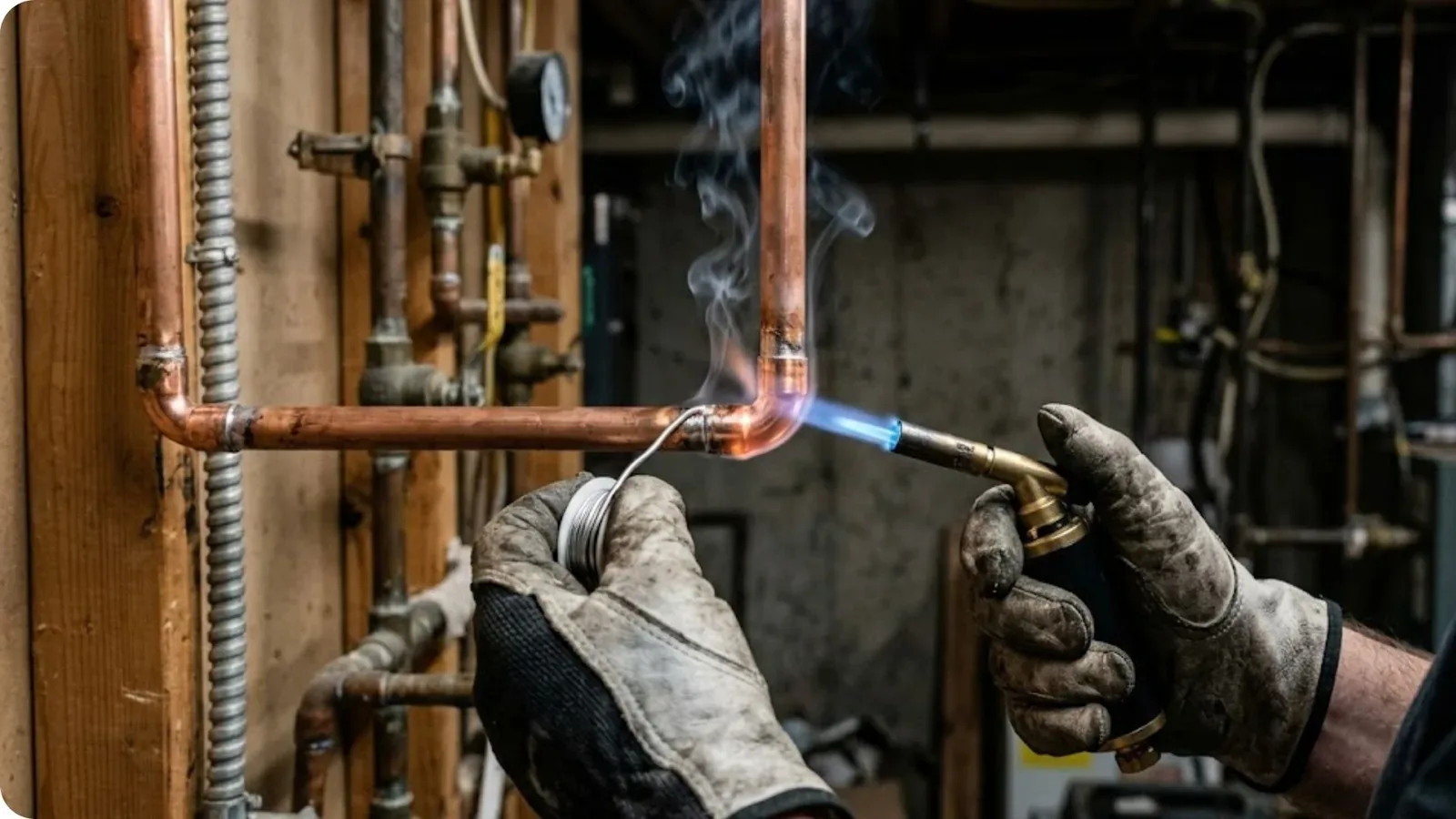
Repair one leak or repipe the whole house?
The decision turns on a short list of facts the plumber has to collect on site: how many leaks the lines have had, whether they sit in the same run, how hard each one was to reach, and what condition the visible pipe is in. One leak in a good line is a repair. Several leaks in the same material over a few years usually point to the pipe, not bad luck.
The city's Housing Element puts roughly 68 percent of homes in the 1950s through 1980s, so many houses are old enough to have original piping. The city documents we read do not say which pipe material is common in which neighborhood, and we do not guess. Ask the plumber to identify what is in your walls and show you.
What a whole-house repipe involves
A repipe replaces the supply lines that carry water to fixtures. The plumber opens small access holes in walls and ceilings, runs new lines, reconnects every fixture and tests the system under pressure. Water is off for part of each day, and the schedule usually runs over a few working days for a typical house.
Expect wall and ceiling patching afterward, and ask who does the finish work and paint. Ask also whether a permit applies and who pulls it; plan review at (626) 812-5234 will say what applies at your address. Lines under a concrete slab are a special case. Instead of breaking the floor, the plumber can often run new lines overhead through walls and the attic, which is the reroute option described on the slab leak detection page.
Copper and other pipe materials, and what to ask
| Material | What to know |
|---|---|
| Copper | Long used for supply lines; can develop pinhole leaks in some water and conditions. A common choice when replacing. |
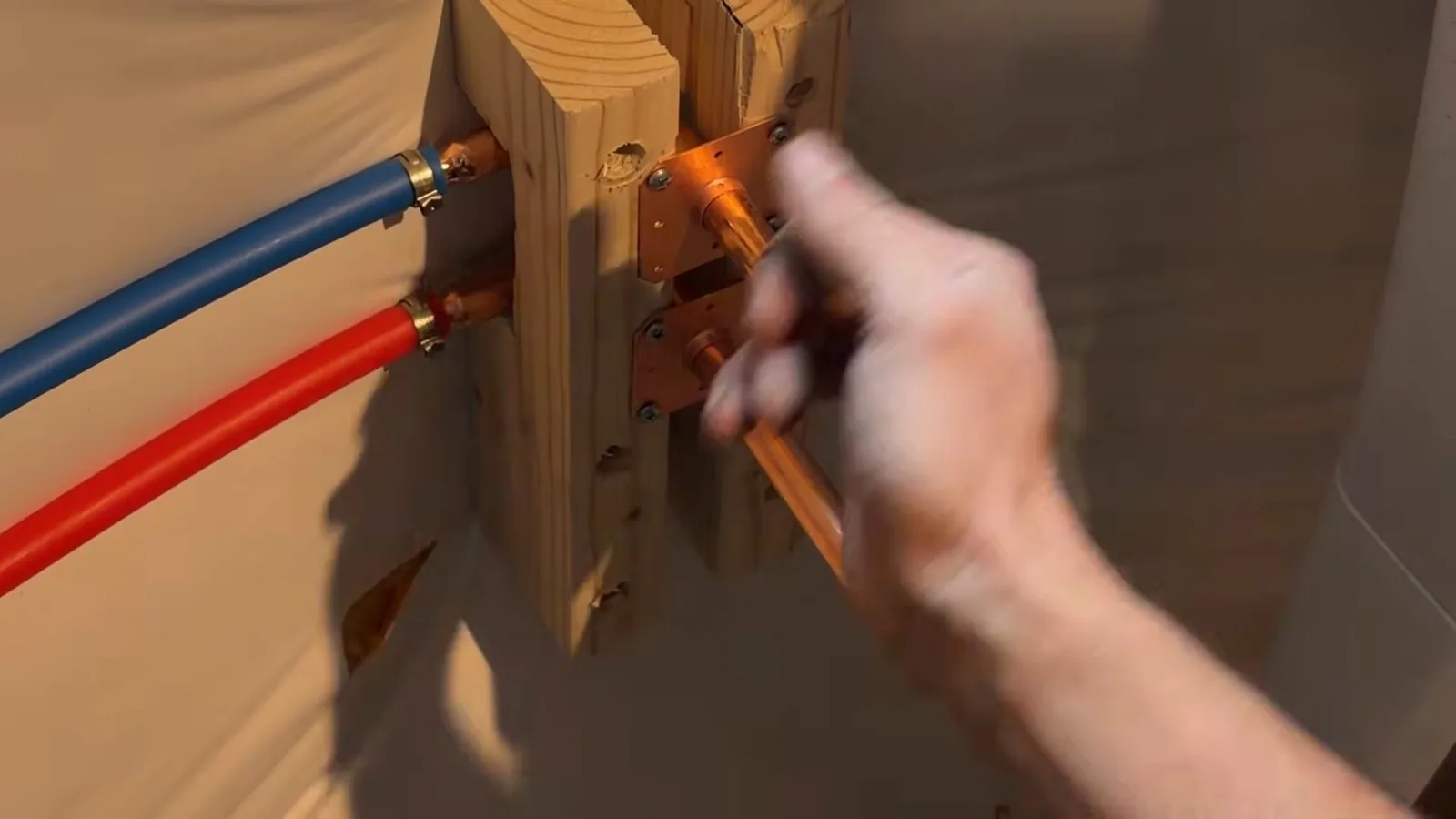
| PEX | Flexible plastic tubing that can run through walls with fewer joints. Ask about fittings and manifold layout. |
| CPVC | Rigid plastic used for hot and cold lines in some homes; ask about its age and condition. |
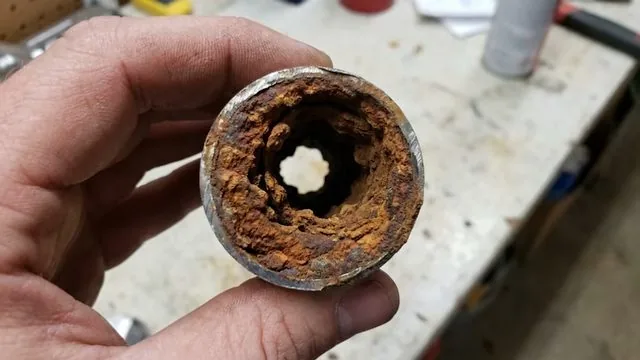
| Galvanized steel | Older steel pipe that corrodes from the inside, narrowing the bore and lowering pressure. |
| Polybutylene | A grey plastic pipe from an earlier era that plumbers commonly advise replacing when found. |
| Cast iron or PVC | Drain-side piping, not supply; relevant to sewer work. |
For a copper repipe, ask about the pipe grade, how joints are made, whether the new lines will be insulated, and whether the plumber will replace shutoff valves at the same time.
Piping a new home, addition or gutted remodel
The dispatch line also takes new construction work: supply lines and drains for a new house, an addition, a converted garage or a remodel taken down to the studs. The plumber works before the walls close, laying out the supply runs and fixture stub-outs, setting drain slopes and vents, and pressure testing the lines while they are still in the open.
Whether a project needs plans and a permit is a question for the Building Division. For a new build, a call to plan review at (626) 812-5234 settles what applies at your address, and inspection requests go to (626) 812-5223. Inspections for this kind of work tend to come in stages, so ask how the rough-in inspection fits the framing schedule and who books it.
When you call, have the plans or a sketch, the number and position of fixtures, and the stage the building is at. The dispatcher then looks for a plumber in the network with new-build experience.
Pipe repair and pinhole leaks
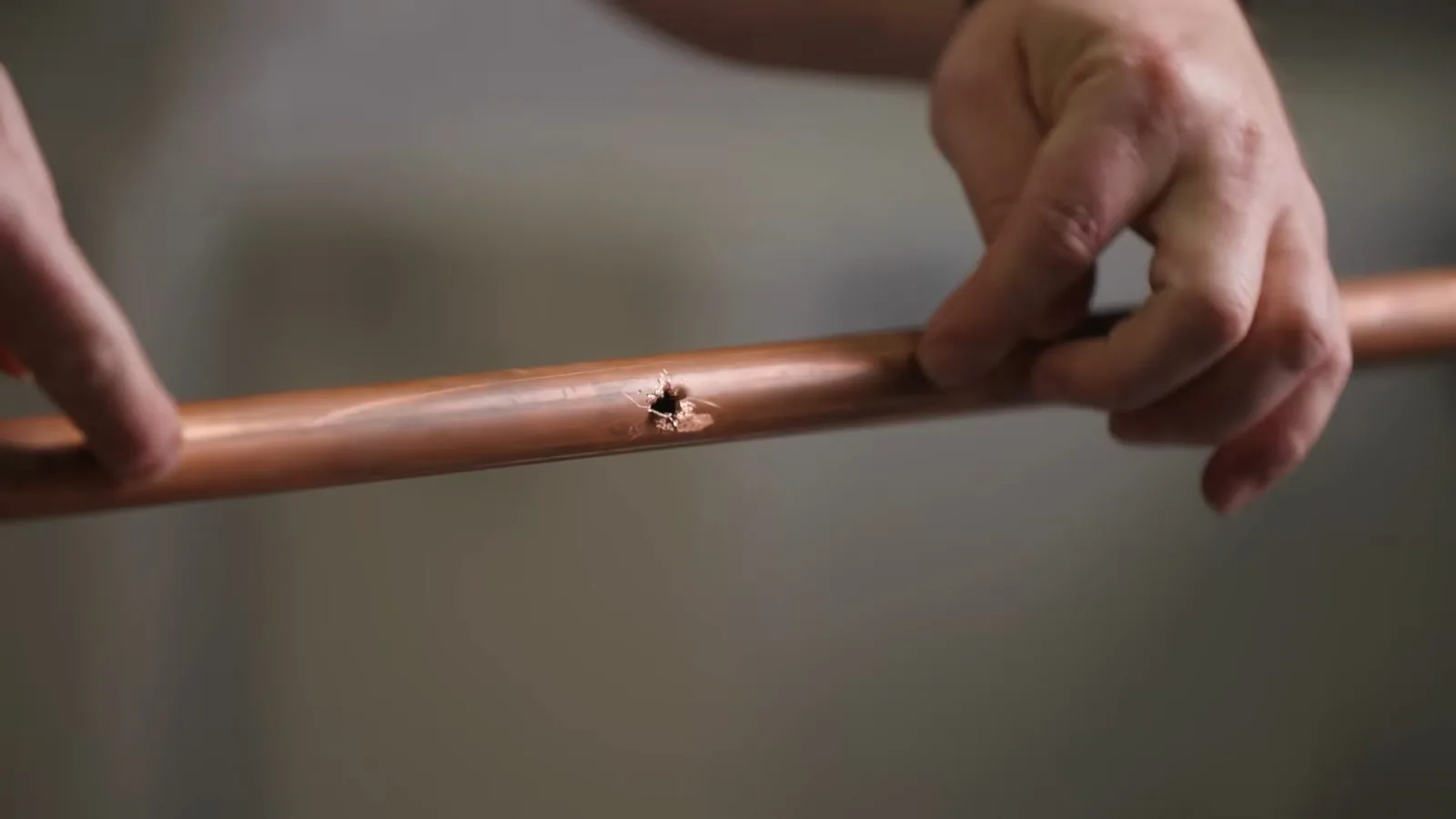
Not every leak calls for new pipe. A pinhole leak, a cracked fitting or a failed joint can be cut out and replaced when the rest of the line is sound. The plumber should show you the pipe on either side of the repair, because a section that looks fine at the cut can be thin a foot away.
Pinhole leaks deserve a second look. One can be bad luck. A second within a year in the same line is information about the whole run. If you are unsure where water is coming from, begin with a leak detection visit before anyone opens a wall.
Rusty water or low pressure: whose problem is it?
Before assuming the house piping is to blame, check outside it. Azusa Light & Water's own FAQ says pressure varies by part of the city and that low pressure can come from old plumbing, an old meter or lime deposits. It also says most discolored water comes from rusty pipes. Ask a neighbor whether their water looks the same, and call the utility at (626) 812-5225.
Lead is a related question. The utility reports no lead or copper result above the action level in its August 2023 sampling and says lead comes mainly from service lines and home plumbing. It has completed a service line inventory on its website; look up your address and ask the plumber what your home piping is made of.
Burst pipe: the first minutes
If you do not know where the main valve is, look near the meter box or where the line enters the house, and find it before you need it. Photograph the damage and note the time. The drying and cleanup side is on water damage restoration. For after-hours help use the dispatch line information, and for what shapes the final bill the how quotes are built page lists the factors.
Repiping and burst pipe questions
How do I know if my galvanized pipes need replacing?
Warning signs are rusty or brown water, falling pressure, and repeated leaks. Galvanized pipe corrodes inside, so it can look fine outside and be nearly closed within. A plumber can check a cut section or camera the line and tell you how much of the bore remains.
What should I do if a pipe bursts?
Shut off the main valve, open a low faucet to drain the lines, keep clear of water near outlets and call the dispatch line. Photograph the damage for your insurer. Do not wait for the water to stop on its own.
Can pipes under a concrete slab be replaced without breaking the floor?
Often the plumber leaves the old line unused and routes a fresh one through the walls or attic, which avoids cutting concrete. Whether that works depends on the layout of the house, so ask for the reroute option along with the spot repair.
How can I lower the chance of pipe trouble at home?
Know where the main shutoff is and test it, watch for stains, damp spots and meter movement, and do not ignore a small drip. Water pressure that runs high can strain old lines, and a plumber can check it with a gauge.
Pipe burst or leaking again? Call now
Call the dispatch line any hour. It routes you to a plumber in our network who serves Azusa.
Call (626) 687-0217 Contact details