
Faucet, Toilet and Fixture Repair in Azusa, CA: From a Running Toilet to a Dripping Shower Valve
The toilet runs after the flush, the kitchen faucet drips overnight, or the shower handle leaks behind the wall. These are the plumbing problems people live with the longest, because none of them looks urgent until the water bill or a stained cabinet says otherwise.
Most are simple parts that wear out. This page shows which symptom points to which part, what is worth fixing and what is worth replacing, and where hard water in Azusa makes the answer different.
Call (626) 687-0217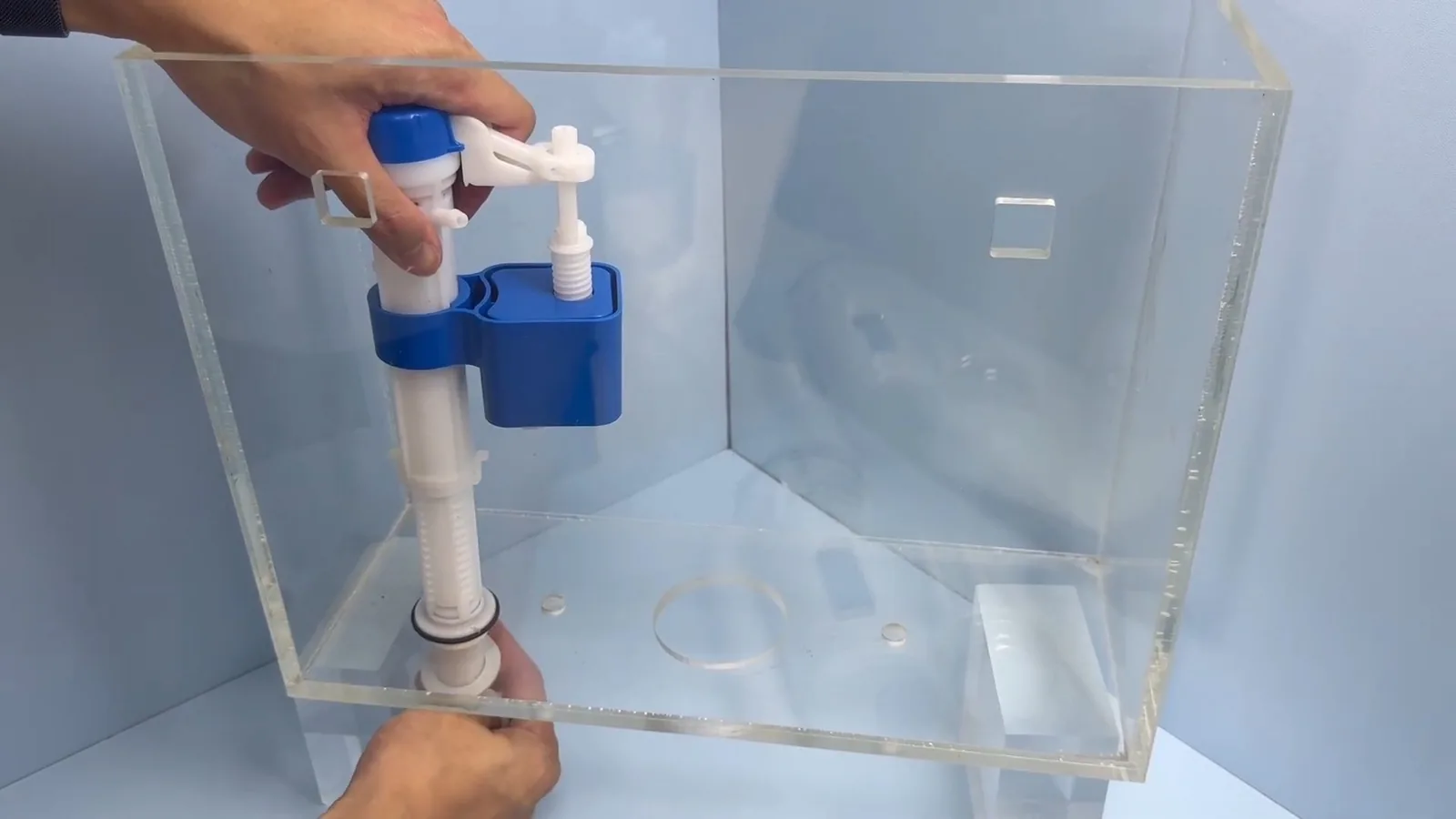
Toilet repair: running, weak flush or leaking base
| Symptom | Usually the part | Where the water shows |
|---|---|---|
| Keeps running, or refills by itself | A worn flapper, a bent chain or a fill valve that no longer shuts off | Inside the tank, then into the bowl |
| Weak or slow flush | Blocked rim jets, a low water level or a partial clog | Bowl swirls but does not clear |
| Puddle around the base | A failed wax ring or loose closet bolts | On the floor, never in the tank |
| Dripping at the wall | A supply line or shutoff valve connection | Under the tank, near the wall |
A running toilet and a leaking base are different problems, so work out which one you have before shopping for parts. Close the small valve on the wall behind the toilet first; that stops the water without touching the house supply. If the toilet clogs repeatedly or backs up with other fixtures, the problem may be the drain line, and drain cleaning is the page for that.
Faucet repair and replacement
A dripping faucet is almost always a worn cartridge, seat or washer, and a stiff or noisy handle is usually mineral buildup on the same parts. Spray that comes out sideways or at low flow often traces to a clogged aerator at the tip. These repairs are quick when the faucet is in good shape and pointless when it is not.
The 2025 water report puts groundwater hardness between 99 and 260 mg/L, with 141 as the average, so scale is a normal part of life here. It collects in aerators and cartridges first. Ask the plumber whether a descaling soak will do, and whether repeated clogging is worth addressing at the source through water treatment.
A faucet is worth replacing when parts are no longer made, when the finish has worn through, or when the body itself has pitted. When you pick a new one, take a photo of the sink holes and the supply connections so the plumber arrives with fittings that match.
Kitchen sinks and bathroom vanities
Under a sink, leaks come from only a few places: the supply lines, the shutoff valves, the drain trap and its slip nuts, and the faucet base. Wipe each joint dry, put a dry paper towel beneath it and check after a few minutes. The wet spot tells you which one it is. A cabinet floor that is swollen or soft means the leak has run for a while.
The kitchen adds a sprayer hose, a dishwasher connection and, in most homes, a garbage disposal. A bathroom vanity brings a pop-up drain stopper that sticks or leaks at the tailpiece. Each of these is a small repair, and each is easier on a dry cabinet than after the particleboard has swelled.
Shower valves, showerheads and tubs
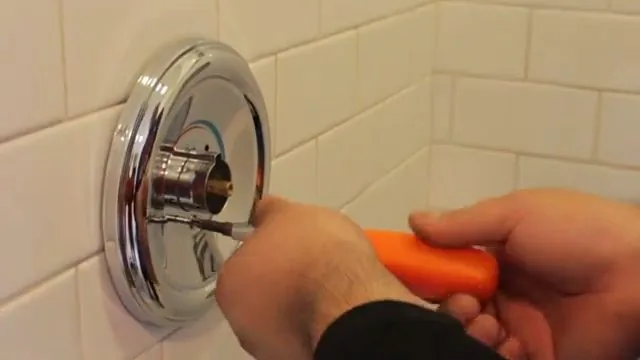
A shower that will not shut off, swings between hot and cold, or drips from the head usually has a worn cartridge or a failing mixing valve behind the wall. Replacing a cartridge does not always mean opening the wall, because many valves are serviced from the front after the trim comes off. A leak that stains the ceiling below the bathroom, or soft drywall around the tub, is a different matter. That deserves a leak check; how leak detection works explains how it is done without tearing into tile.
Tub drains that clog with hair are a branch-line problem, and a tub spout that leaks at the wall is a seal or a diverter. Jetted tubs add a pump and their own plumbing; if one stops circulating or leaks from the motor area, tell the dispatcher it is a jetted tub so the right plumber is sent.
Replacing a toilet or adding a fixture
Setting a new toilet is mostly a matter of a sound flange, a fresh wax ring and a level seat on the floor. Swapping like for like is routine. Moving a toilet, adding a bathroom in a garage or ADU, building a wet bar or laundry room, converting a tub to a shower, or putting in a bidet or dual-flush model all raise the same question: do the drain, vent and supply lines already in the wall reach where the new fixture goes?
- Remodel and rough-in: the plumber sizes and runs the new lines before walls close, which is far easier in terms of access than after.
- Permits: adding or moving fixtures generally means a permit. Plan review at (626) 812-5234 can say what applies to your address.
- Hose bibs and appliance hookups: an outdoor faucet, washer box, dishwasher or ice maker connection is its own small supply job.
Shutoff valves and supply lines: find them before you need them
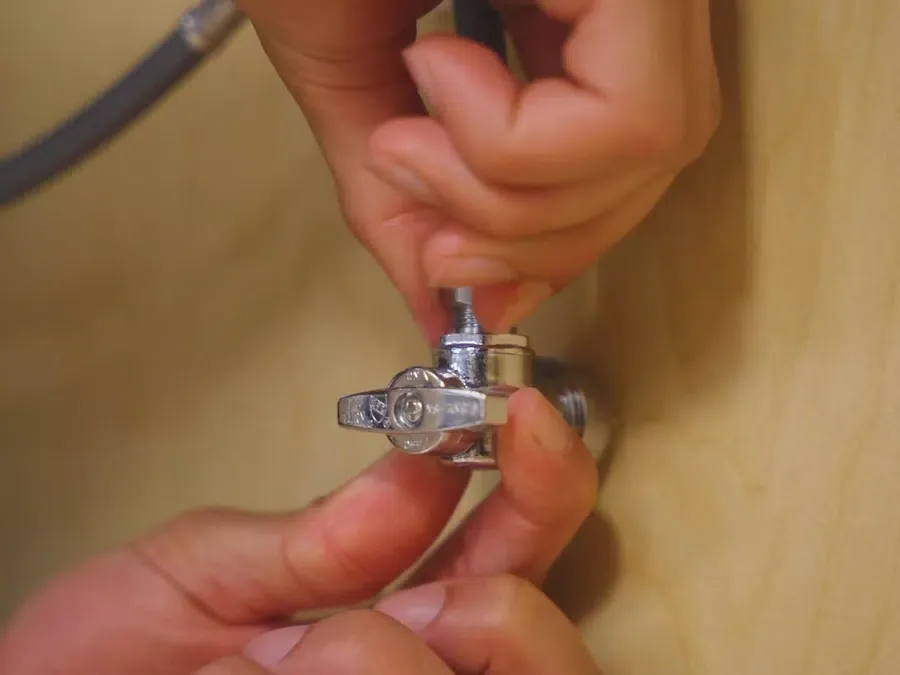
Every fixture should have its own shutoff valve, usually a small oval or round handle on the pipe beneath it. Turn each one off and on once a year. A valve that is stuck, weeps at the stem or will not close fully is a job for a plumber, because forcing it can snap the pipe behind it.
Braided supply lines last years, not decades. If one is bulging, rusted at the nut or old enough that you cannot remember installing it, replace it while you are calm rather than after it bursts. If one lets go, shut the house valve and use the dispatch line information, and see the cost factors for how a visit is priced.
Fixture repair questions
Why does my toilet keep running after I flush it?
The most common cause is a flapper that no longer seals, or a chain that is too tight or too loose. A fill valve that does not shut off at the right level does the same thing. Close the shutoff behind the toilet if it will not stop, and call for a repair if replacing the flapper does not fix it.
Is it worth repairing an old faucet or should I replace it?
If the faucet body is sound and parts are available, a cartridge or seat swap is usually enough. If the finish is worn, the body is pitted or parts are discontinued, replacement makes more sense. A plumber can show you which case yours is.
What do I do when a toilet leaks around the base?
Stop using it and shut the valve behind it. A puddle at the floor usually means the wax ring or the closet bolts have failed, not the tank. The toilet has to be lifted and reset, so this is a plumber's job, not a tightening job.
Can a jetted tub be repaired like any other fixture?
Often yes, but the pump, the air controls and the plumbing behind the access panel are different from a standard tub. Tell the dispatcher what the tub is doing and where the water appears so the right plumber is sent.
Leak you cannot stop? Call now
Call the dispatch line any hour. It routes you to a plumber in our network who serves Azusa.
Call (626) 687-0217 Contact details