
Emergency Gas Line Repair in Azusa, CA: Smell Gas First, Plan the Repair Second
A faint rotten-egg smell near the range, a hissing at a connection, or a pilot that keeps going out can all be the first sign of a gas problem. The right first move is not a repair at all: it is getting out and calling the gas utility from a safe place.
After that, the plumbing questions begin. Who owns which section of the line, when a new or larger line is needed, what a permit and pressure test involve, and what to ask before work starts.
Call (626) 687-0217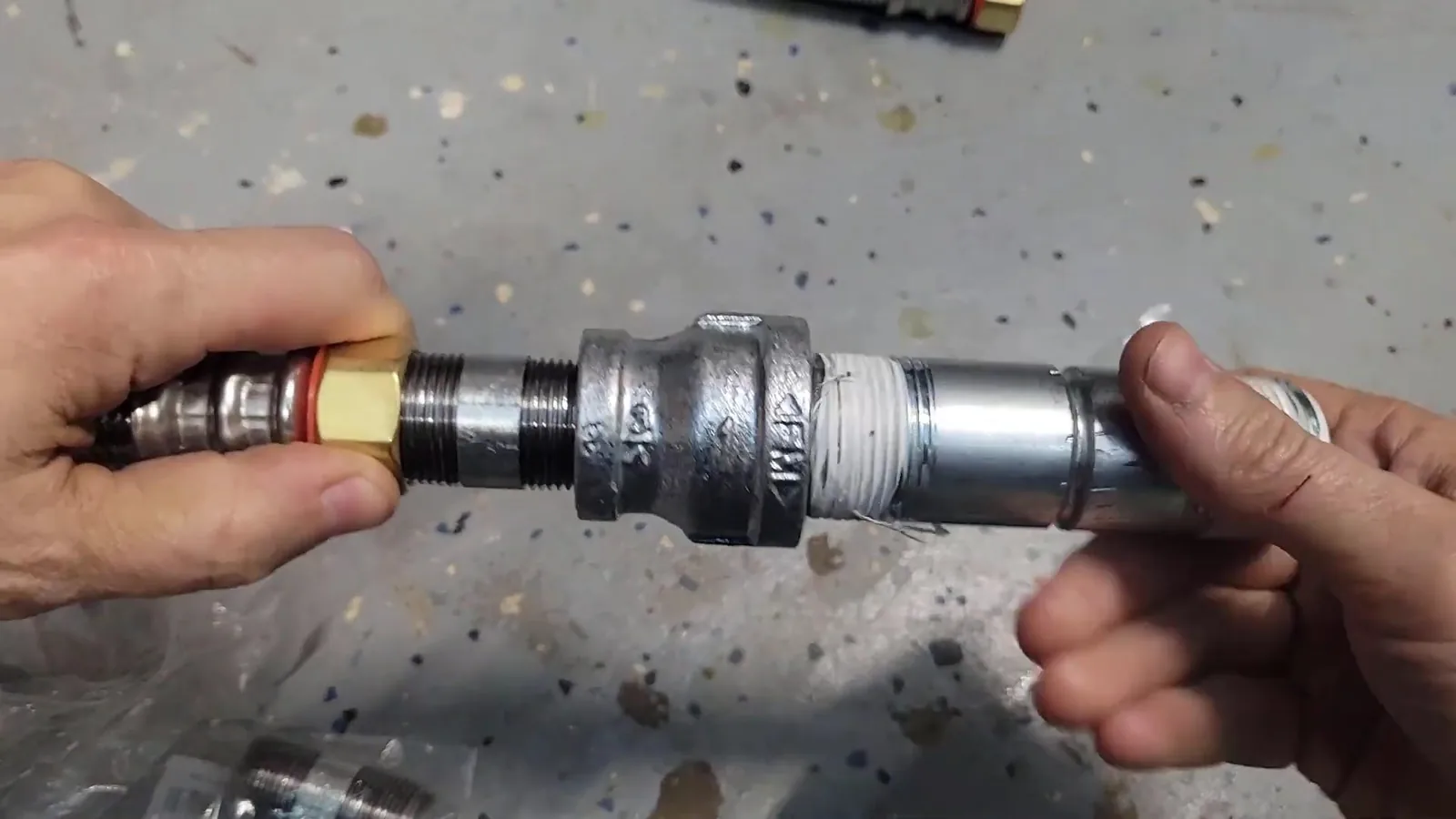
If you smell gas: leave first
A gas smell is not a repair to attempt and not a call to put off. The utility checks its side of the system and can shut off service if needed. The plumber's job begins once the area is safe and the source is understood.
What belongs to the gas utility and what to the plumber
Up to the meter
The gas utility owns and maintains the service line and the meter. A leak there, or any problem with the meter itself, is a utility call. Do not try to fix or move it.
After the meter
The house piping, the shutoff valves, the connectors to appliances and the lines inside walls belong to the owner. That is the plumber's side, and where permits and pressure tests come in.
SoCalGas is the regional operator and was not confirmed in the city documents we read as the supplier for every Azusa address, so check your bill for the right company before you call.
Gas line repair: leaks, worn pipe and replacement
Once the source is found, the plumber can repair a joint, replace a section or replace a whole run. Two materials come up most often. Black iron is rigid steel pipe with threaded joints. CSST is flexible stainless tubing that runs through walls with fewer fittings and has its own installation and bonding rules from the manufacturer.
Housing Element figures put 68 percent of the city's homes in the 1950s to 1980s range, so older gas piping is plausible in many houses. The city pages do not say what material is most common, and we do not claim one. Ask the plumber what your lines are made of, where they run and what condition the visible sections are in.
Also ask whether the repair needs an inspection, and what happens to the gas supply while work is in progress. Water heater trouble that touches the gas side is covered on water heater installation.
Gas line installation: when a new or larger line is needed
A new line is needed when an appliance is added or moved. Common examples are a gas range or cooktop, a dryer, a fireplace, an outdoor grill or fire pit, a standby generator, or a tankless water heater that draws more than the existing pipe can supply.
- Appliance hookups: range, dryer, fireplace, grill and generator each need a shutoff valve and the right connector.
- Propane: converting an appliance between natural gas and propane involves a manufacturer's conversion kit, not a different valve alone.
- Capacity: the plumber works out the gas load of everything on the line and sizes the pipe to carry it.
The right size depends on the total load and the length of the run, which is why a quote for a new line should list the appliances it serves. For an on-demand heater, see tankless installation.
Gas piping for a new build or an addition
New construction gas work starts with a list of what will burn gas: the range, dryer, water heater, furnace, fireplace or an outdoor grill. The plumber sizes the piping to the combined load and plans the route from the meter to each appliance, ideally before framing closes and the walls are covered.
The line is pressure tested and inspected before it is hidden, and the Building Division can say which permit applies. Work on the utility's side of the meter belongs to the gas utility, not to a plumber. Tell the dispatcher what the building will contain and where the appliances will sit, and a network plumber who handles new gas piping picks it up.
Permits, pressure tests and inspection
New gas piping and larger changes usually involve a permit and an inspection. Plan review, (626) 812-5234, answers what applies at your address; inspections book on (626) 812-5223. Ask the plumber who applies and who is home for the inspector.
A pressure test is how the new or repaired section is proved tight before it is covered and put in service. The plumber puts the line under test pressure and watches the gauge for a set period. Ask to see the reading and to have the result written on the invoice. A pressure test and a written scope are the two documents that matter most if you later sell the house.
What to ask before work starts
- Which sections are being replaced, and what material goes in?
- Where is the new shutoff valve, and can you reach it?
- Is a permit needed, and when is the inspection?
- Will the system be pressure tested, and will you see the result?
- What is the written scope, listing every appliance on the line?
For after-hours calls, the dispatch information on the homepage explains how the line works at night. For what moves a quote, the cost page overview lists the factors without quoting figures.
Gas line questions
What should I do if I smell gas in my home?
Leave immediately without switching anything on or off, and phone the gas utility from outside. SoCalGas lists 1-800-427-2200, and 911 applies if anyone is in danger. Do not go back in to look for the source.
Who installs gas lines?
A licensed plumber or gas contractor installs and repairs the piping after the meter, and the gas utility handles the service line and the meter. Ask for the contractor's license number and look it up with the state contractors board.
Can a gas stove be hooked up or converted to propane?
A plumber can connect a range to an existing gas line with the right shutoff valve and flexible connector. Converting between natural gas and propane needs the manufacturer's conversion parts and a leak check at every joint.
Does a gas line inspection or new gas line need a permit?
New gas piping and larger changes generally involve a permit and an inspection, and the work is pressure tested before it goes into service. Phone the city's plan-review desk, (626) 812-5234, to find out what applies.
Smell gas? Leave, then call now
Call the dispatch line any hour. It routes you to a plumber in our network who serves Azusa.
Call (626) 687-0217 Contact details